All cars, trucks, and SUVs rely on internal systems that must all work in perfect synchronicity to ensure optimal performance. The timing belt is no different. Regardless of the type of vehicle you own or how well you maintain it, the timing belt will need to be replaced at some point during its lifetime. As a result, understanding when to schedule timing belt repair is a critical aspect of auto maintenance that will save you from unexpected breakdowns and thousands of dollars in repair costs. Find out why Brown’s Automotive and our ASE-Certified technicians are the team to trust with your next timing belt repair, and come see us in Chapel Hill, North Carolina, today.
Why Timing Belt Repair is Important
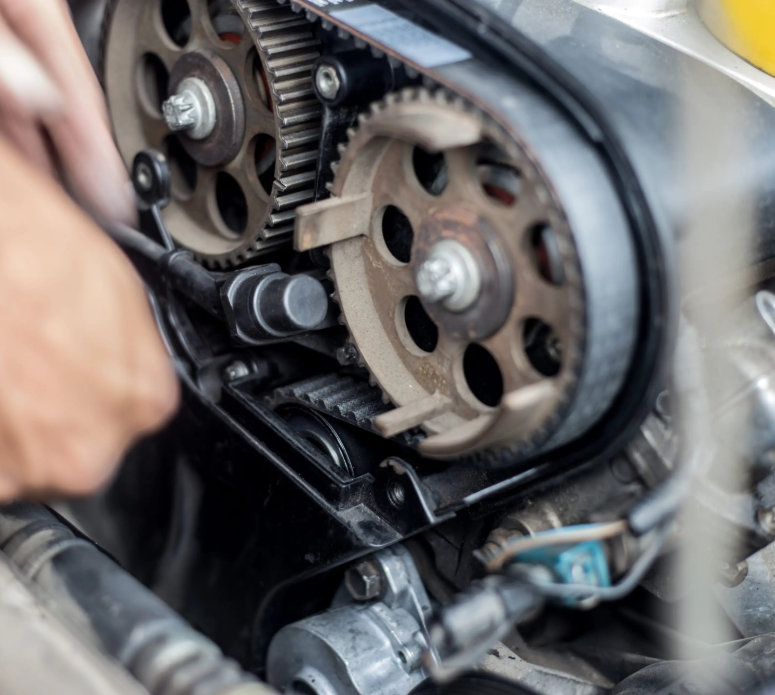
The timing belt in your car synchronizes the actions of the camshaft, which operates the engine valves to allow air and gas in and out, and the crankshaft, which moves the pistons up and down for compression. During the combustion process, these components interact, and the timing belt keeps each component rotating at a rate that allows them to work in tandem. If the timing is incorrect, you risk causing significant damage to your car. Because timing belts are located in a difficult-to-reach area in your engine, knowing when it’s time to schedule a timing belt replacement can be difficult for any automobile owner. While most manufacturers advise replacing the timing belt every 30,000 miles, other automotive professionals suggest replacing it every 120,000 miles. If you think it might be time to schedule an inspection, keep the following considerations in mind:
Decreased Engine Performance
A sluggish engine is often one of the first indicators that your engine’s timing belt is due to be replaced. Also, faulty spark wires or coils can put undue strain on your car’s timing belt, reducing its lifespan and resulting in engine misfires.
Clicking or Squealing Engine Noise
When your engine’s timing belt is missing a tooth, it often causes a loud clicking noise coming from your engine. Furthermore, a faulty timing belt tensioner or idler pulley will also result in high-pitched squealing, rattling, or squeaking noises from your car’s engine.
Oil Leaks
Lastly, while there are several reasons why your car is suddenly leaking oil, it could also be that the timing belt needs to be replaced. When your car’s timing belt is broken, it causes a lack of compression between various components in the engine. As a result, not only will starting your vehicle becomes more difficult, but it can also result in oil leaks under your vehicle and could be one of the more expensive repairs to fix.
Do You Need Timing Belt Repair?
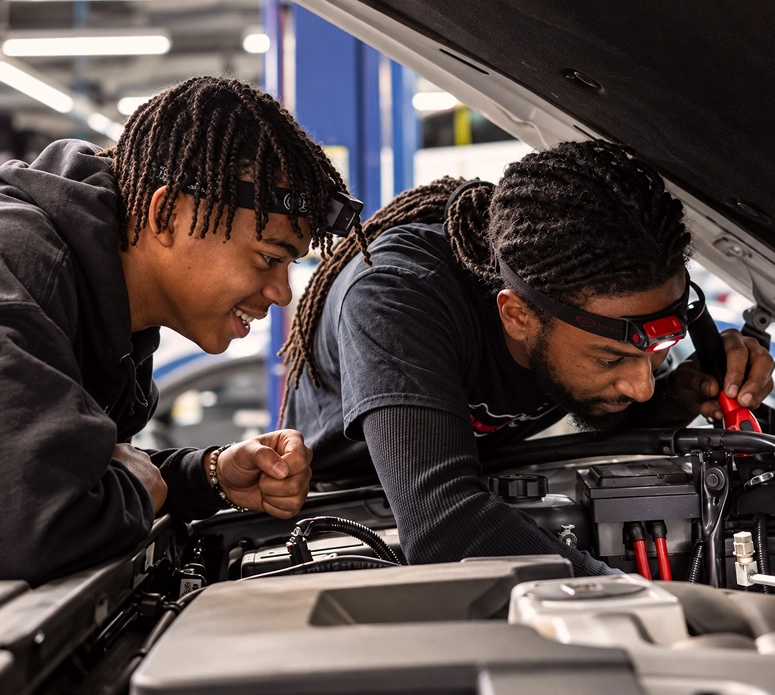
If your vehicle is needing a timing belt repair, Brown’s Automotive is the team to trust. Our ASE-Certified auto repair technicians have the necessary training, experience, and equipment to perform the repairs and are dedicated to providing the best customer service possible. Call us at 919-942-1023 or stop by and see us in Chapel Hill, North Carolina, today, conveniently located at 11744-B US 15-501 North, Chapel Hill, NC 27517, to learn more about how we can assist you.